
Maria Montessori Philosophy
A Philosophy Rooted in Respect for the Child
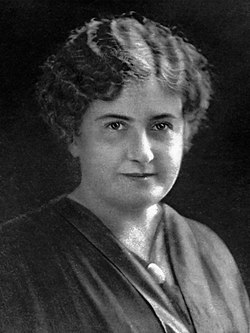
The Montessori philosophy was developed by Dr. Maria Montessori, a physician and educator who carefully observed how children naturally learn and grow.
"Her work transformed early childhood education by placing respect, independence, and purposeful learning at the center of a child’s development."

Who Was Maria Montessori?
Dr. Maria Montessori was one of the first women physicians in Italy and a passionate advocate for children’s education.
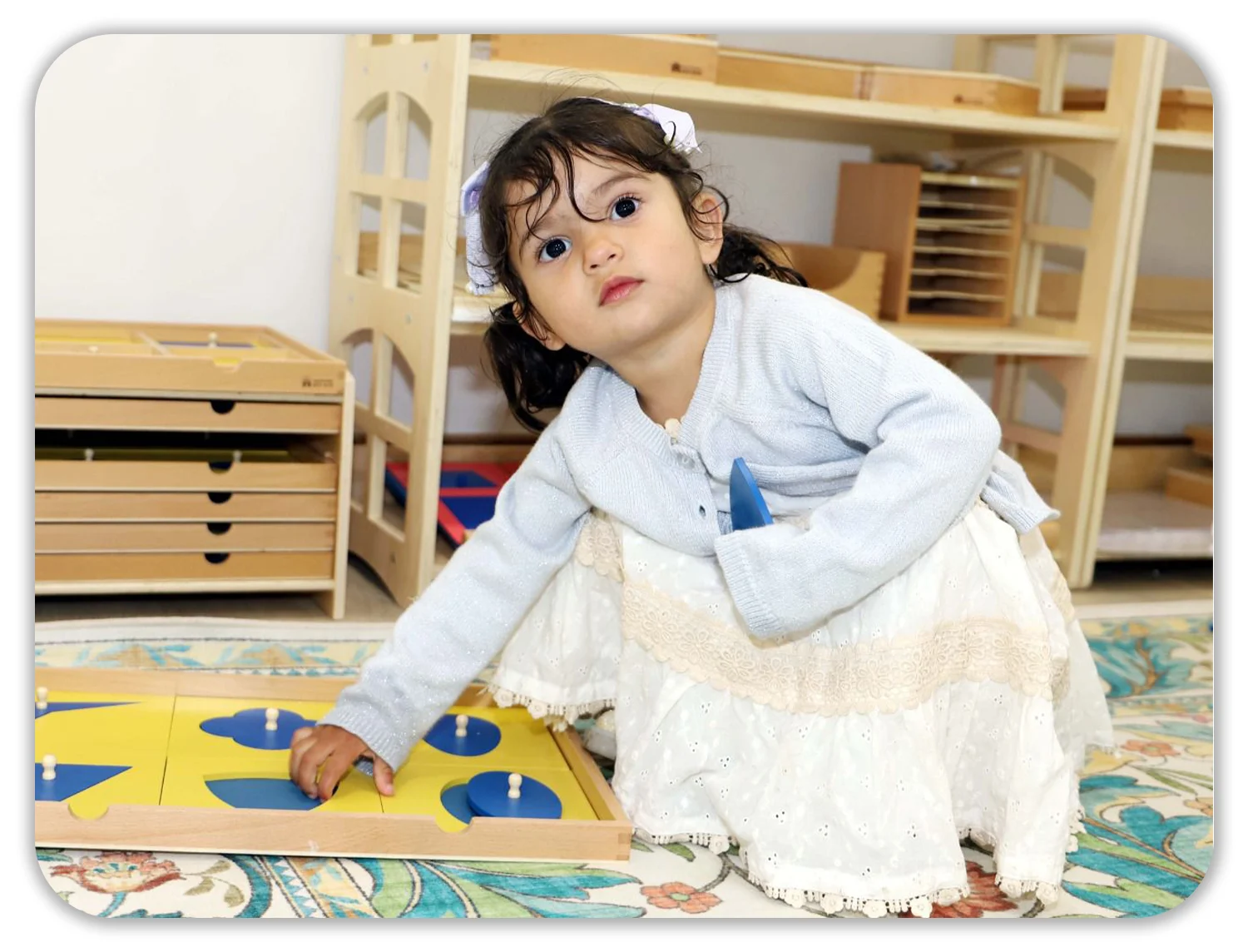
Through years of observation, she discovered that children thrive when they are given the freedom to explore within a supportive and structured environment.
Her philosophy was built not on theory alone, but on real-life experiences with children—watching how they learn, concentrate, and grow when their needs are truly respected.

Who Was Maria Montessori?
At the heart of Maria Montessori’s philosophy is a deep respect for the child as a capable and independent learner. Her approach is guided by these key beliefs:

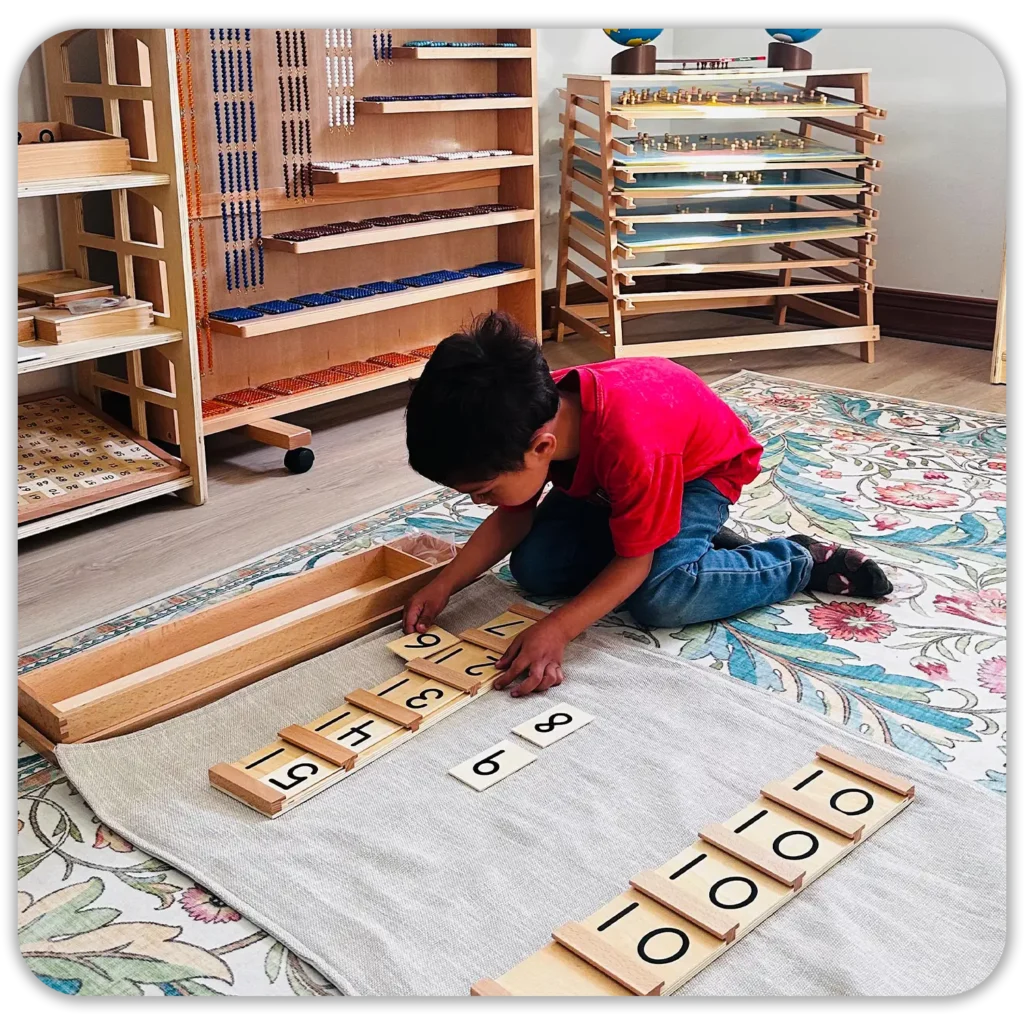
Children learn best through hands-on experience
Principle 01

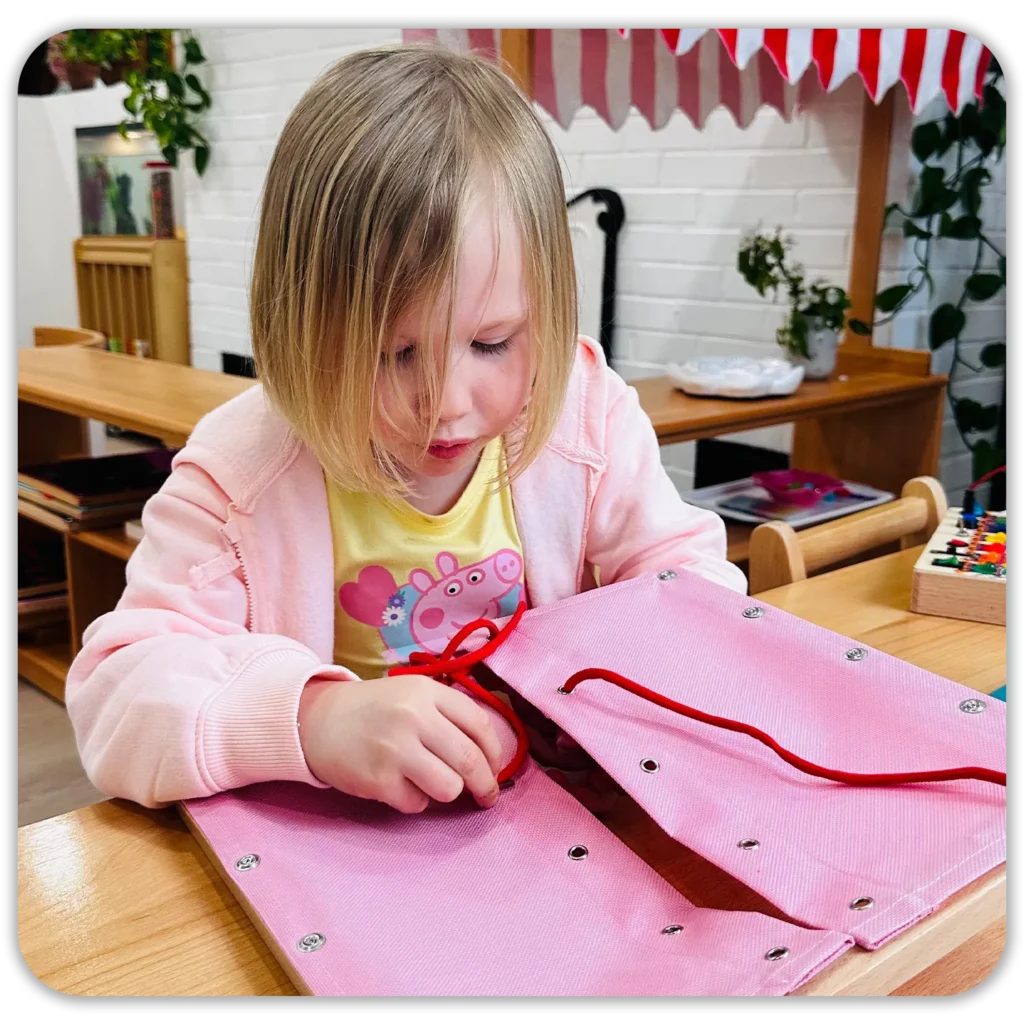
Independence builds confidence and self-discipline
Principle 02

Each child develops at their own unique pace
Principle 03

Learning should be meaningful, purposeful, and engaging
Principle 04

Respect for the Child
Principle 05

Nurturing Potential
Education of the Whole Child
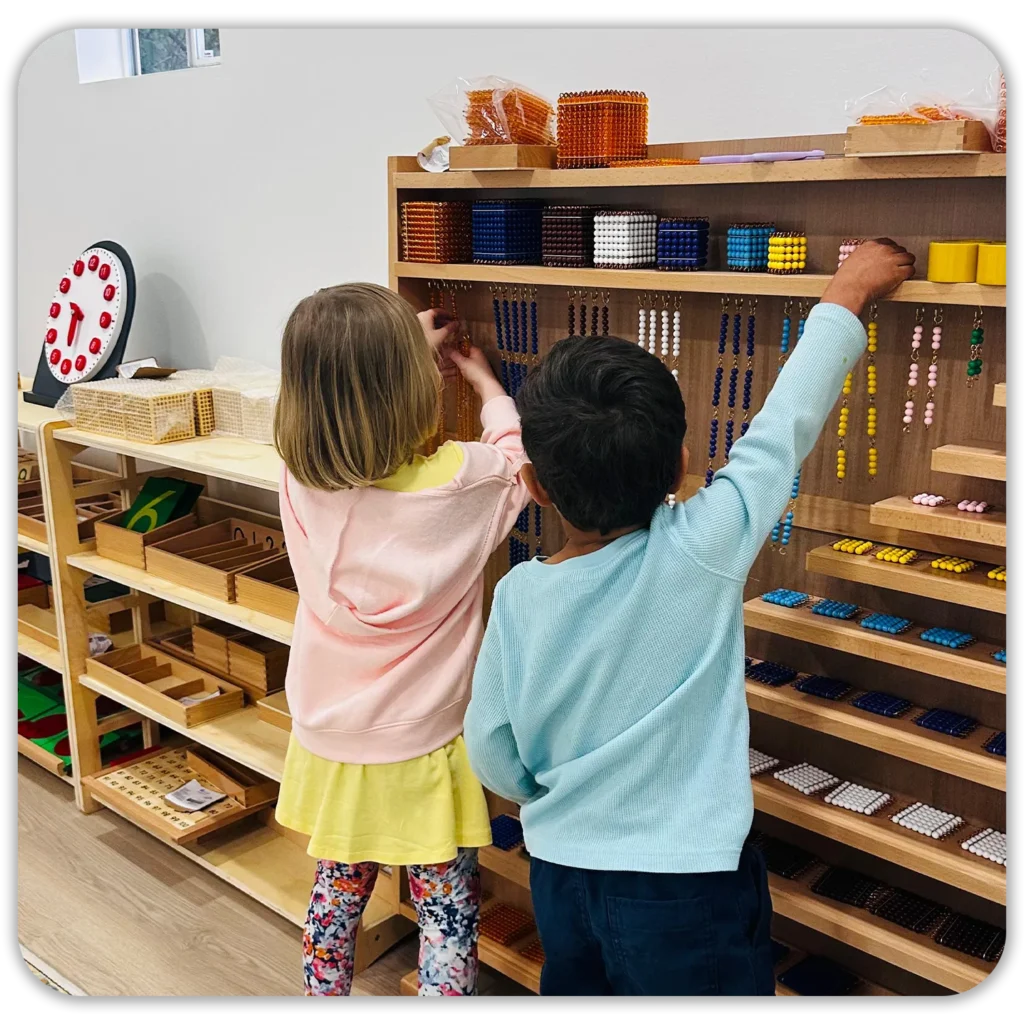
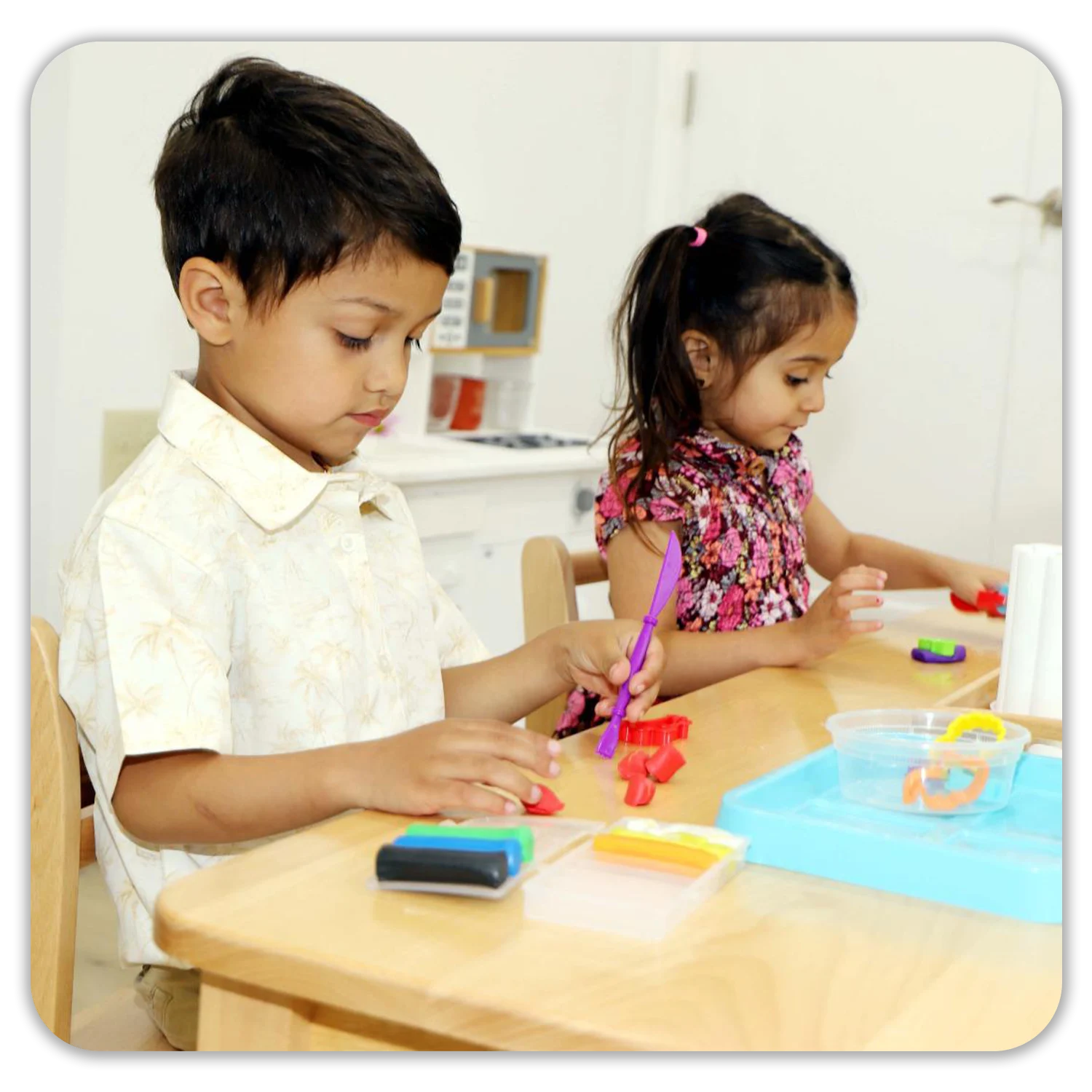
Maria Montessori believed education should nurture more than academics.
Her philosophy supports the development of the whole child—emotionally, socially, physically, and intellectually.
By encouraging independence, responsibility, and respect, children develop strong character alongside essential life skills.
This holistic approach helps children grow into confident, thoughtful, and capable individuals.
Montessori Philosophy in Practice at Future Scholars
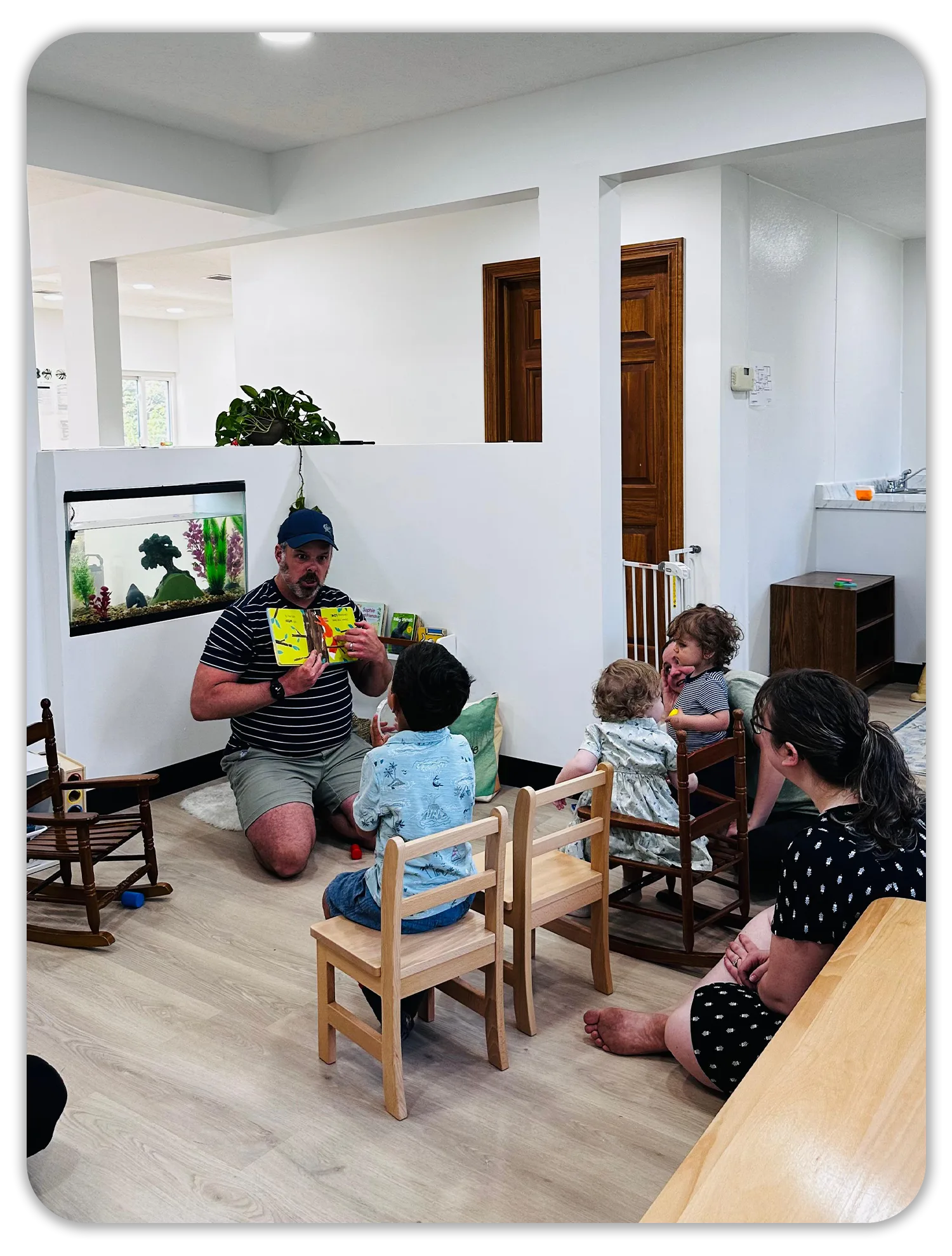
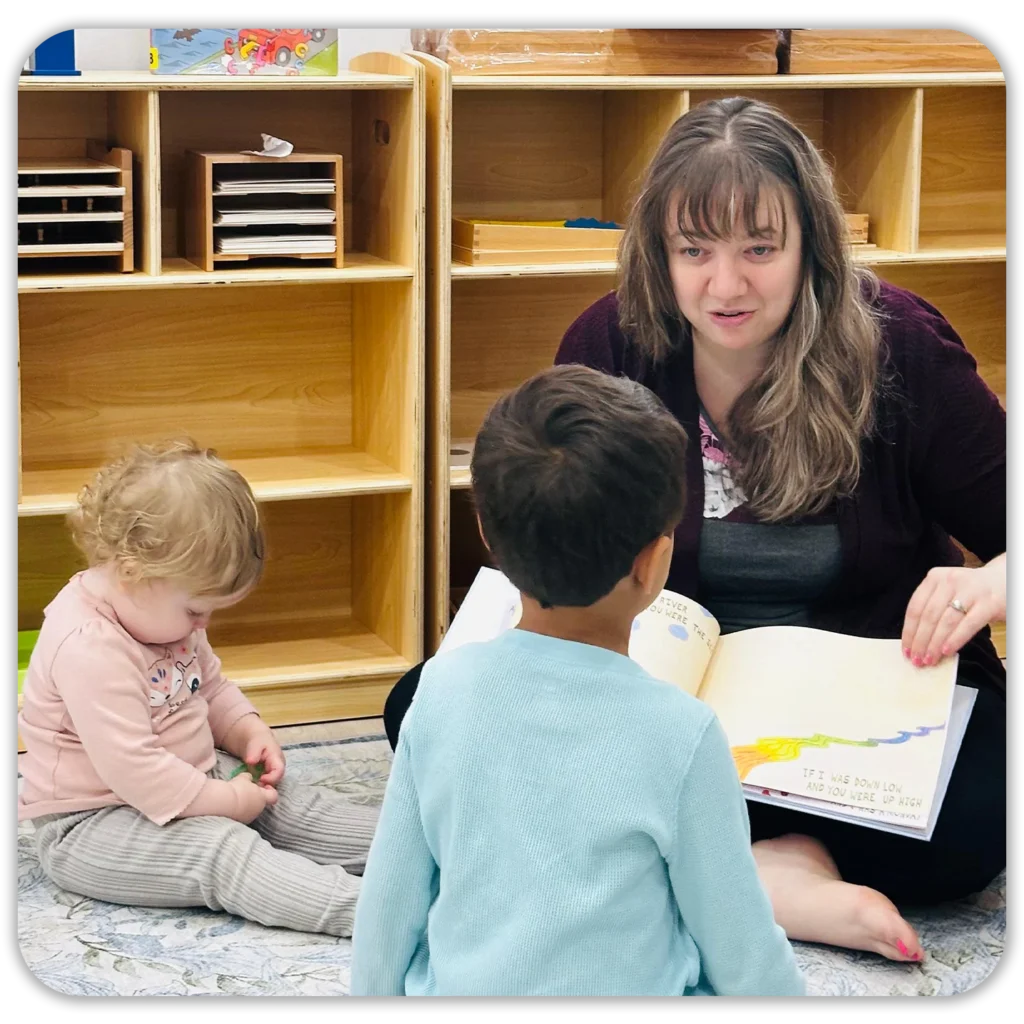
At Future Scholars Montessori, we honor Maria Montessori’s philosophy by thoughtfully applying her principles in our daily practices.
Our educators observe each child with care, guiding learning experiences that support curiosity, independence, and confidence—without pressure or comparison.
This philosophy allows children to grow naturally, joyfully, and with purpose.